
How Fast Do Interior Painting Services Finish a Room?
Understanding the time frame required for professional interior painting services to complete a room is essential for both homeowners and contractors. Various elements impact how swiftly a room can be painted, from room size to paint type. Knowing these factors helps to set realistic expectations, ensuring neither rushed jobs nor prolonged timelines. An in-depth look at these variables provides clarity on the process involved, helping stakeholders make informed decisions. This article aims to break down these aspects, offering vital insights to achieve efficient and quality painting results.
Factors Influencing Painting Time
Room Size and Layout
The size and layout of a room are principal factors influencing the time required to complete interior painting services. Larger rooms naturally require more paint and time due to the expansive wall area. Layouts with complex architectural details, such as alcoves or high ceilings, may also increase painting duration. According to HomeGuide, one gallon of paint provides approximately one coat of coverage across 360 square feet of wall area, which helps in estimating the total requirement for large or awkwardly shaped rooms. Therefore, the simplicity or complexity of the room's configuration significantly impacts the timeline for a paint job.
Surface Conditions
Another critical factor is the condition of the room's surfaces. Walls that are damaged, rough, or textured take more time to prep and paint compared to smooth, well-maintained surfaces. Before painting, such surfaces may require additional work, like sanding or applying a skim coat. Moreover, surfaces with existing deep colors might need more surface treatments and painting coats to achieve a uniform appearance. Consequently, ensuring that surfaces are smooth and primed adequately is vital for optimal paint adherence and finish quality.
Type of Paint Used
The type of paint employed also greatly influences the painting timetable. Different paints have varied drying times and application requirements, affecting overall speed. For instance, oil-based paints typically dry slower than water-based paints, potentially extending the timeline. However, high-quality paints might cover better and require fewer applications, saving time in the long run. Selecting the appropriate paint type is a delicate balance between desired finish, cost, and time efficiency.
Number of Coats Required
The number of paint layers needed directly impacts the project's duration. Dark walls or surfaces painted in vibrant hues generally necessitate multiple coats to attain desired coverage and color fidelity. Particularly stark color changes often require additional applications, extending the completion time. Conversely, painting shades similar to the existing one or using high-opacity paint may need fewer layers. Understanding these nuances aids in precise timeline preparation.
Preparation and Cleanup Time
Preparation and cleanup often consume more time than the actual painting process. Thoroughly protecting furniture, taping off trims, and ensuring floors are covered add to project duration but are crucial for professional results. Clean-up involves removing coverings, cleaning tools, and disposing of paint remnants responsibly. Efficient preparation minimizes the risk of accidental spills or smudges, preserving not only time but the quality of the finish. Careful and comprehensive planning can thus mitigate unexpected delays.
Preparation Steps Before Painting
Clearing the Room
Clearing a room of furniture and personal items is a foundational step in any painting project. This ensures an unobstructed space for painters to maneuver, enabling efficient work throughout the room. Removed items should be placed in a safe, dust-free area to prevent damage during painting. This step also facilitates full access to walls, allowing painters to perform a thorough job with fewer hindrances. Ensuring ample space in the room makes the process quicker and reduces potential for accidental paint damage.
Repairing Damaged Surfaces
Addressing any damages on surfaces is crucial for ideal painting conditions. Cracks, holes, or uneven areas require repairs such as filling or sanding to create a smooth canvas. The necessity for these repairs can increase project time but is essential for paint adherence and a quality finish. Failing to fix these imperfections may result in uneven or ill-finished surfaces, affecting the aesthetic harmony of the room. Proper surface preparation safeguards against such issues, promoting longevity and appeal.
Priming the Walls
Applying primer is often an essential step, especially on new or untreated walls, to ensure paint adherence. Priming can enhance color uniformity and may achieve full coverage with fewer paint coats, saving time and materials. Walls previously painted with strong or dark colors benefit from a primer to mask the original hue. Primer is also critical in sealing porous surfaces, providing a stable base for the subsequent paint layers. Thus, despite its time consumption, priming holds advantages that contribute to an efficient, durable finish.
Protective Coverings for Floors and Furniture
Utilizing protective coverings is vital in guarding floors and furniture against paint spills and splatters. Drop cloths or plastic sheeting should be used to cover flooring and immovable furnishings adequately. This layer serves to protect assets during the painting process, maintaining their condition. Coverings should be secured properly to avoid slipping or exposing the surface during use. Taking these precautions ensures that the paint project impacts only intended areas, preventing additional clean-up or repair work.
Gathering Tools and Materials
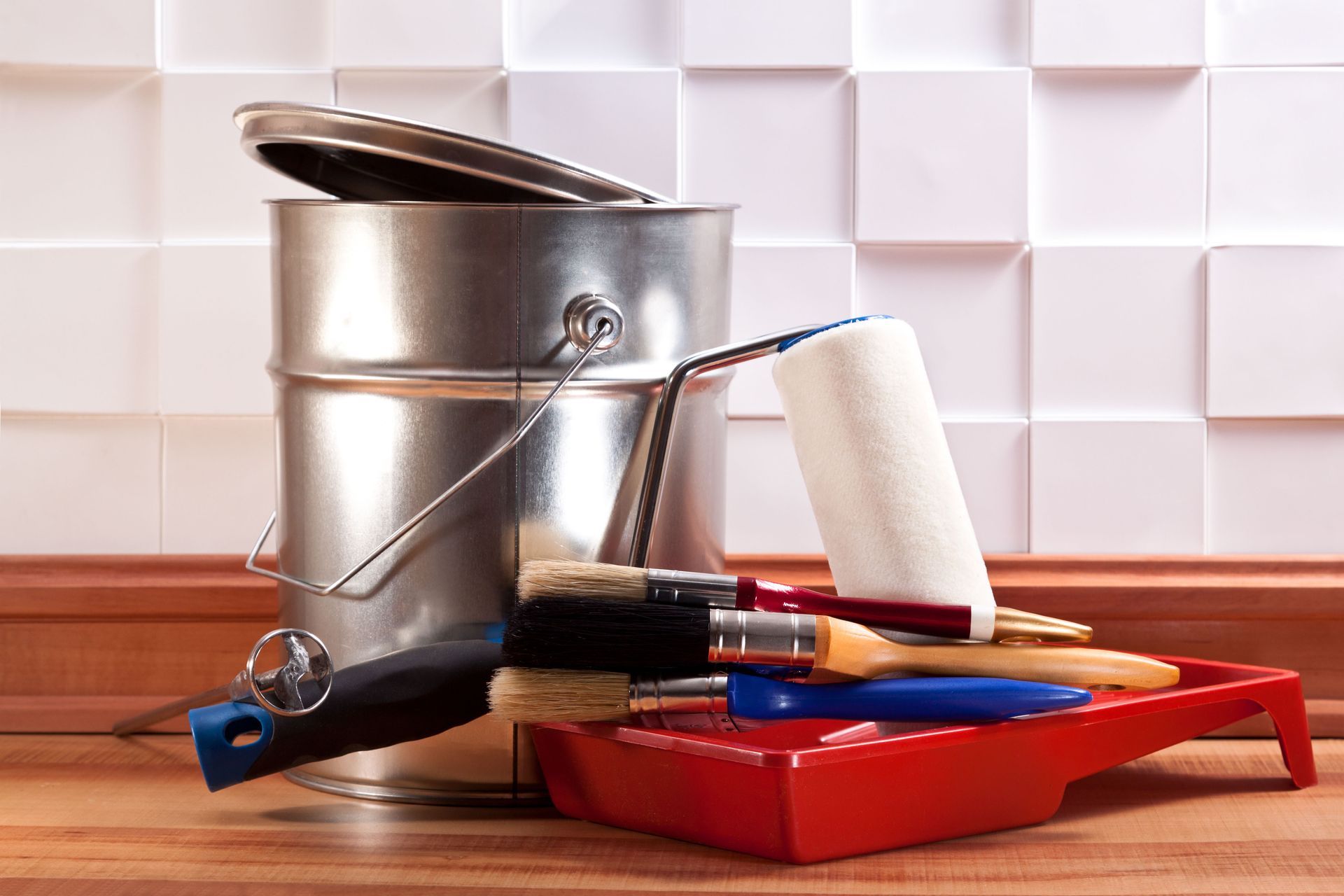
Having all necessary tools and supplies ready before beginning painting aids in streamlining the process. Brushes, rollers, trays, and appropriate paints should be prepared and inspected for quality. High-quality tools can drastically influence efficiency and final appearance by allowing more precise application and smoother finishes. Additionally, ensuring adequate amounts of paint minimizes interruptions due to shortages. Thus, preparation extends beyond surface and room readiness, incorporating material readiness to optimize workflow.
Typical Timeline for Different Room Types
Bedrooms
Your average bedroom can often be completed swiftly by professional painters, typically within a day. Size is a primary factor, with master bedrooms possibly requiring additional time due to increased square footage. The presence of built-in furniture or closely adjoining fixtures can also complicate access, impacting timeframes. Nonetheless, professional teams generally have tactics for circumventing these challenges efficiently. In most cases, bedroom painting is straightforward, offering predictable timelines.
Living Rooms
Living rooms, often used as communal spaces, may present extensive wall area and intricate designs to navigate. High ceilings or accent walls may require specialized equipment or techniques, potentially increasing the time needed. The presence of large windows, fireplaces, or varying architectural elements demands careful attention and precision. Consequently, while complex, an experienced team should complete a living room paint job within a couple of days, factoring in detail and quality. Project duration heavily relies on these variables alongside the homeowner’s specific requests.
Kitchens
Kitchens pose unique challenges due to cabinetry, appliances, and splashbacks. These elements demand special care to avoid paint interference, often necessitating precision masking and preparation. Furthermore, kitchens may incorporate several surfaces, such as walls and ceilings above cabinets, affecting time allocation. However, with strategic planning, professional painters can efficiently tackle a kitchen project within a manageable timespan, usually not exceeding two days. Effective pre-planning ensures minimal disruption to appliances and their function.
The time it takes for an interior painting service to complete a room depends on a variety of factors including the scope of the project and the expertise of the painters. Professional painters balance speed and quality through superior technique, equipment, and project management. Meanwhile, distinct scenarios may find DIY painting more feasible despite generally requiring longer completion times. Understanding these elements enables clients to make informed decisions tailored to their unique project requirements. Whether opting for professional services or a do-it-yourself route, strategic planning and precise execution underpin successful painting projects. Be sure to reach out to Tom Orban Painting today to learn more about our professional interior painting services!





Share On: